
Description
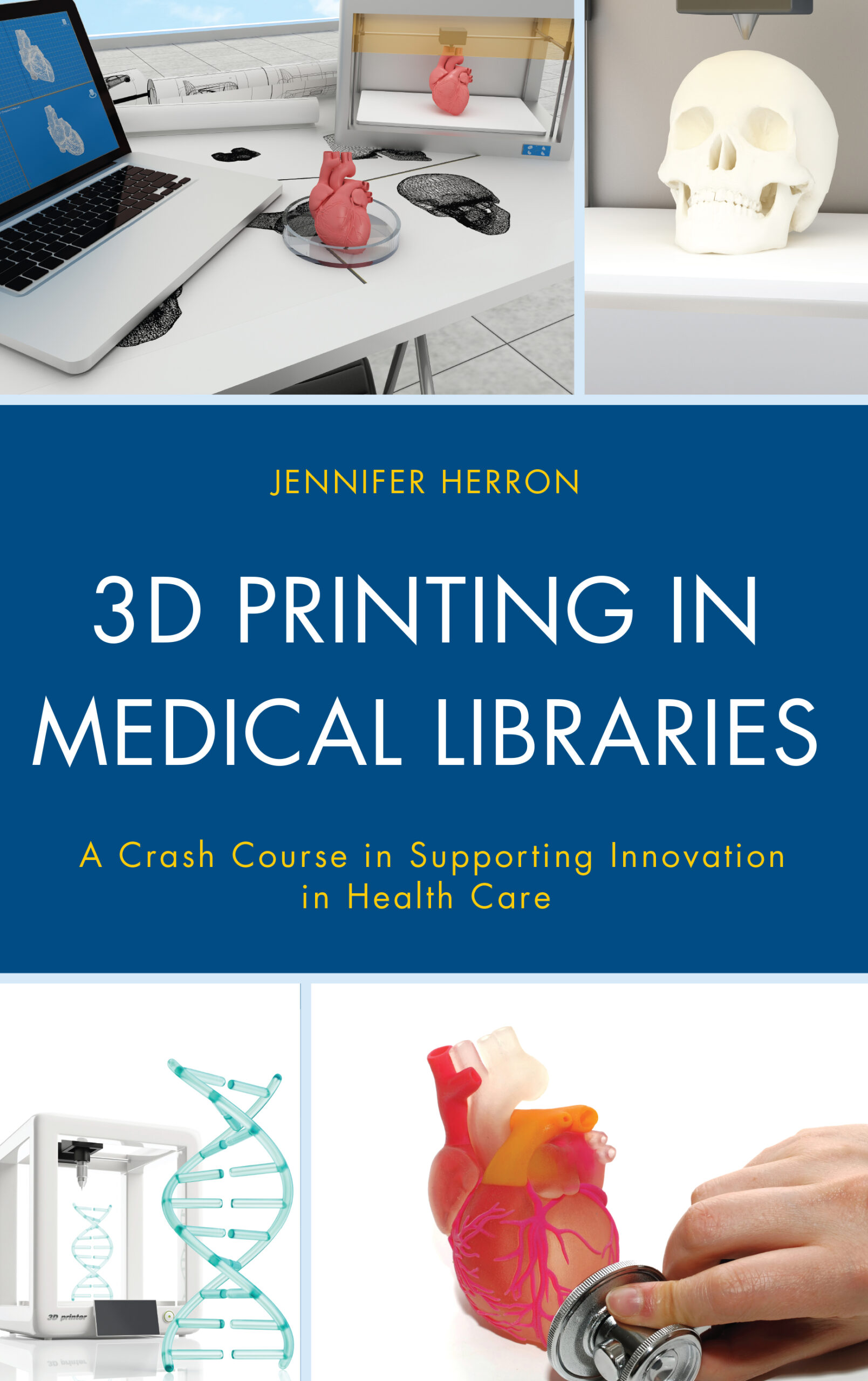
Supporting tomorrow’s doctors involves preparing them for the technologies that will be available to them. 3D printing is one such technology that is becoming more abundant in health care settings and is similarly a technology libraries are embracing as a new service offering for their communities.
3D Printing in Medical Libraries: A Crash Course in Supporting Innovation in Health Care will provide librarians interested in starting or enhancing a 3D printing service an overview of 3D printing, highlight legal concerns, discuss 3D printing in libraries through a literature review, review survey results on 3D printing services in health sciences and medical libraries, and offer case studies of health sciences and medical libraries currently 3D printing. Additionally, resources for finding medically related models for printing and tips of how to search for models online is also provided, along with resources for creating 3D models from DICOM. Common print problems and troubleshooting tips are also highlighted and lastly, marketing and outreach opportunities are discussed.
Herron presents the nitty-gritty of 3D printing without getting too technical, and a wealth of recommended resources is provided to support librarians wishing to delve further into 3D printing. Design thinking and the Maker Movement is also discussed to promote a holistic service offering that supports users not only with the service but the skills to best use the service. Readers will finish the book with a better sense of direction for 3D printing in health sciences and medical libraries and have a guide to establishing or enhancing a 3D printing in their library.
This book appeals to health sciences libraries and librarians looking to start a 3D printing service or understand the 3D printing space as it relates to medical education, practice, and research. It serves as:
- a field guide for starting a new library service
- a primer for meeting the information needs of medical faculty, staff, and students
- a useful reference for a deep dive into this space by librarians who are already actively carrying out some of the kinds of work described herein.