
Description
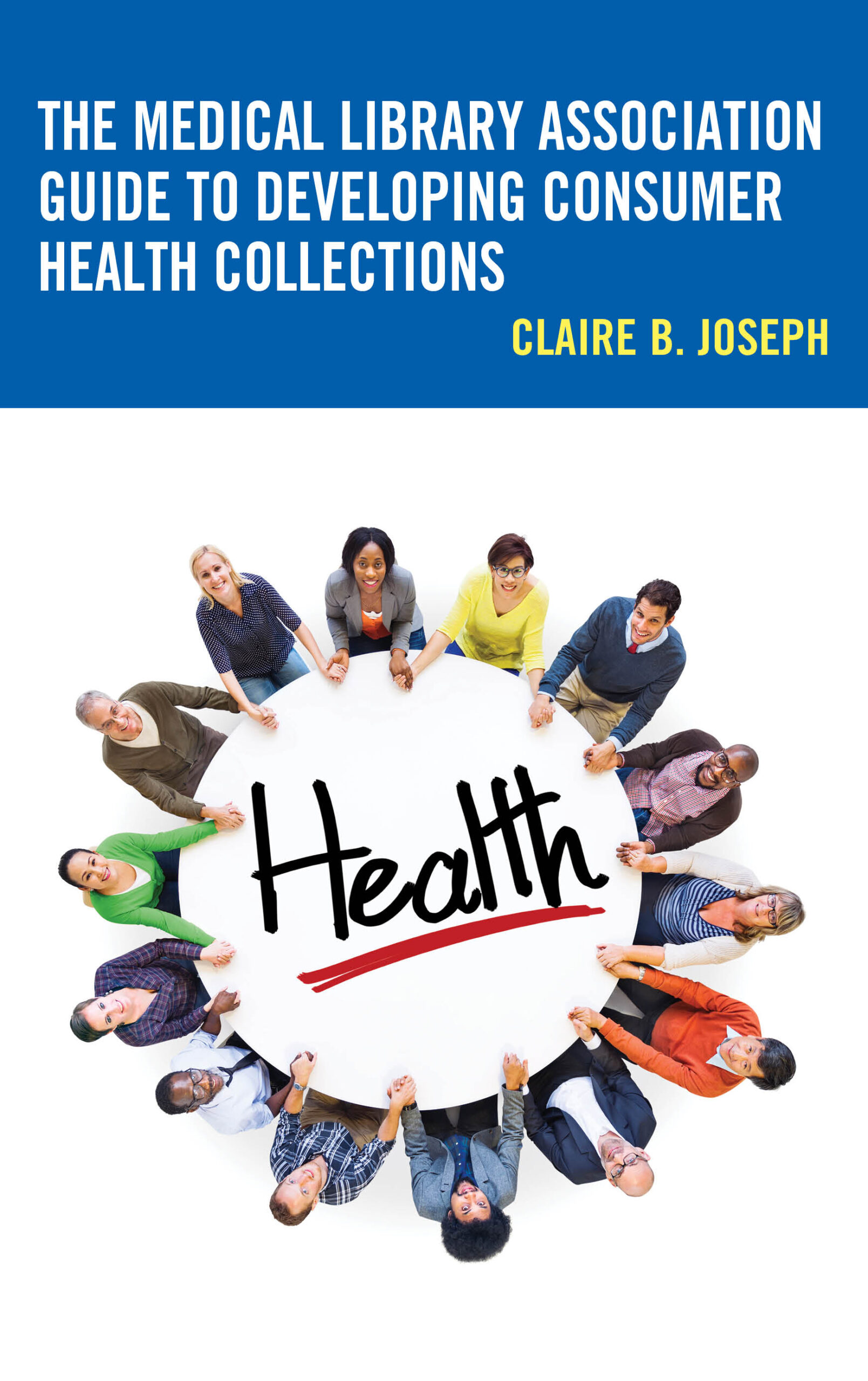
The Medical Library Association Guide to Developing Consumer Health Collections
Rowman & Littlefield Publishers
The Medical Library Association Guide to Developing Consumer Health Collections guides both library graduate school students and seasoned librarians from academic, health sciences, and public libraries, to develop, maintain, nurture, and advertise consumer health collections.
This authoritative guide from the respected Medical Library Association covers all that is involved in developing a new consumer health library including:
- Conducting community needs assessments and forging community partnerships
- Concerns about physical space, computers, and materials
- Funding, budgeting, and staffing
- Privacy and confidentiality concerns
- Publicity and advertising
This book guides both graduate library school students and seasoned librarians from all types of libraries—academic, health center, hospital, public, and school–to develop, maintain and nurture not only consumer health collections, but also community partnerships and outreach programs. Examples of librarians’ innovative and creative consumer health initiatives are included.
Chapters include all that is involved in developing a consumer health collection including conducting community needs assessments; concerns about physical space, computers, and materials; budgeting, licensing, and staffing; privacy and confidentiality concerns; and community partnership and outreach.