

The Research Training Institute (RTI) faculty are recognized experts in a wide range of research areas. They will help librarians use, create, and apply research-based evidence to enhance decision-making, address evolving user needs, communicate library value, and support quality health care. The RTI peer coaches are selected from previous RTI graduates and support participants by sharing experiences and encouragement throughout the year-long research process and enrich the RTI experience for all participants. The RTI leadership team provides oversight of the RTI training program. The training, learning experiences, and strong support offered by the expert faculty, supportive peer coaches, and dedicated leadership team will lay the foundations of evidence-based practice for the next generation of health sciences librarians.
RTI ’26 Faculty
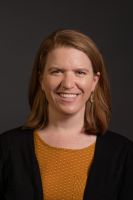
Emily Vardell, PhD, AHIP, Co-Faculty Lead, https://orcid.org/0000-0002-3037-4789, is associate professor in the School of Library and Information Management at Emporia State University, Emporia, KS. Vardell is an expert instructor and researcher, specializing in qualitative research and health information behavior. She teaches graduate courses on the foundations of library and information science, reference services, research methods, health sciences librarianship, and disaster preparedness in libraries. Vardell’s research interests are in the area of health information behavior with a focus on health insurance literacy and how people make health insurance decisions. She has received numerous research and teaching awards, including MLA’s Lucretia W. McClure Excellence in Education Award (2023), MLA’s Ida and George Eliot Prize (2019), the Beta Phi Mu Eugene Garfield Doctoral Dissertation Fellowship (2017), the MLA Thomson Reuters/MLA Doctoral Fellowship (2016 to 2017), the University of North Carolina (UNC)–Chapel Hill School of Information and Library Science Deborah Barreau Award for Teaching Excellence (2016), and a Fulbright Award (2005 to 2006). Vardell is also co-editor of the book Health Literacy and Libraries (Rowman & Littlefield; 2024) and editor of the book The Medical Library Association Guide to Answering Questions about the Affordable Care Act (Rowman & Littlefield; 2015). She has authored articles published in the Journal of the Medical Library Association, Journal of Education for Library and Information Science, Journal of Documentation, Information Research, and Medical Reference Services Quarterly. Prior to receiving her doctorate in information science from the School of Information and Library Science at UNC–Chapel Hill, she was the Director for Reference, Education, and Community Engagement at the Calder Memorial Library at the University of Miami Miller School of Medicine. She is active in MLA, including serving as Co-Chair of the 2024 National Program Committee, on the Nominating Committee (2018-19), and as a member of the Educational Steering Committee.

Mark MacEachern, MLIS, Co-Faculty Lead, https://orcid.org/0000-0002-8872-1181, is an informationist at the Taubman Health Sciences Library, University of Michigan (UM)–Ann Arbor. As an informationist, MacEachern works closely with health students and professionals on education and research projects. MacEachern teaches systematic review methods and evidence-based practice skills as part of the curricula in several of the UM health sciences schools. He has extensive experience consulting on systematic review projects and leads the Taubman Library’s flipped continuing education course Systematic Reviews: Opportunities for Librarians. MacEachern was the 2019 recipient of the Estelle Brodman Award for the Academic Medical Librarian of the Year. MacEachern received his master of library and information science (MLIS) degree from the University of Western Ontario. Prior to joining the Taubman Health Sciences Library in 2007, MacEachern interned at Mills Memorial Library at McMaster University.
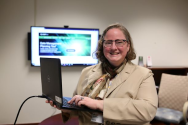
Nina Exner, PhD, MLS, MA, https://orcid.org/0000-0002-8746-8364, is the research data librarian at Virginia Commonwealth University. Her research interests include data categorization critique and research skills development. She has a PhD from University of North Carolina at Chapel Hill’s School of Information and Library Science, an MA in liberal and global studies from UNC-Greensboro, and an MLS from North Carolina Central University (Eagle Pride). Recently she has been speaking extensively on NIH data sharing policies. She is also a co-chair of the Empirical Librarians conference and serves on the editorial board of Hypothesis: Journal of the Medical Library Association Research Caucus.
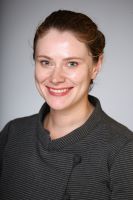
Caitlin Bakker, MLIS, AHIP-D, https://orcid.org/0000-0003-4154-8382, is the Discovery Technologies Librarian at the University of Regina’s Dr. John Archer Library and Archives. Her portfolio includes a range of library systems and technologies, including the library services platform and authentication services, as well as data collection and analysis work to meet institutional data needs. She has taught extensively on data management, computational research methods, and data visualization. Caitlin holds at MLIS from McGill University and is currently a PhD candidate at Maastricht University. She has previously held positions at the University of Minnesota-Twin Cities, the University of Northern British Columbia, and Wilfrid Laurier University. She is an Assistant Editor of the Journal of the Medical Library Association and serves on the editorial board of Hypothesis: Journal of the Medical Library Association Research Caucus.
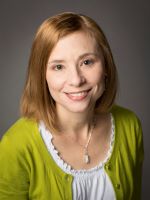
Ann Medaille, PhD, MSLS, MA, https://orcid.org/0000-0003-0116-2151, is the Director of Research and Instructional Services at the University of Nevada, Reno Libraries and Editor-in-Chief of the journal Evidence Based Library and Information Practice. She previously worked as an editor at Elsevier and as a high school teacher. She holds a PhD in education from the University of Nevada, Reno, an MSLS from the University of North Texas, and an MA in theatre from the University of Colorado at Boulder. Her research areas include learning theory, pedagogical methods, workplace learning, and assessment strategies. She has published over 20 peer-reviewed journal articles. She is the author of the book The Librarian’s Guide to Learning Theory: Practical Applications in Library Settings and co-author of Visual Literacy for Libraries: A Practical, Standards-Based Guide, both of which were published by ALA Editions.
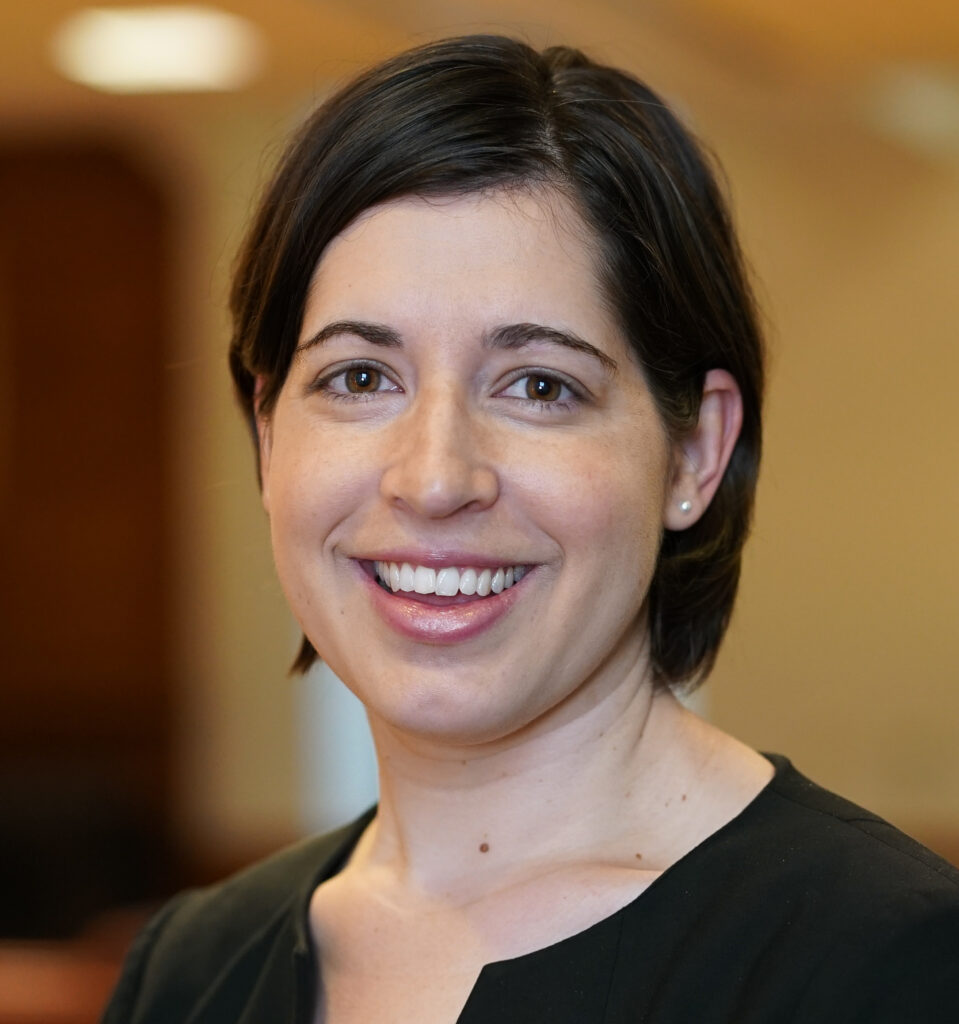
Karen Gutzman, MSLS, MA, https://orcid.org/0000-0001-6331-4451, serves as Head of Research Assessment and Communications at Galter Health Sciences Library & Learning Center at Northwestern University. She develops, supports, and implements programs that increase awareness about digital scholarship and issues in the digital environment among faculty, researchers, and students at Feinberg School of Medicine. She works with library colleagues on preservation and access to scholarly outputs through a digital repository and other digital means, and she provides expertise for campus-wide digital preservation activities. Karen also supports individuals and groups in their understanding, assessment, visualization, and reporting of impactful outcomes of research and clinical care efforts. One of her major areas of interest is using information visualization to facilitate stronger comprehension of data in the assessment process. She keeps an updated collection of her works in DigitalHub, the institutional repository for Northwestern Medicine. Karen is a former U.S. National Library of Medicine Associate Fellow where she completed the second year of the fellowship program through her work with the Bernard Becker Medical Library at Washington University in St. Louis.

Alexander J. Carroll, MSLS, AHIP, is the Associate Director of the Science and Engineering Library at Vanderbilt University. Previously, Alex worked as a science and engineering liaison librarian at NC State University and the University of Maryland, College Park. Alex is an Associate Editor of the Journal of the Medical Library Association (JMLA) and a Distinguished member of MLA’s Academy of Health Information Professionals (AHIP). He received his MSLS from the University of North Carolina at Chapel Hill and his BA from James Madison University.
Alex’s research interests include studying the information seeking behaviors and data practices of STEM researchers, designing library liaison services, and improving information literacy instruction for students in the sciences. He has published on these topics in journals such as College & Research Libraries, portal: Libraries and the academy, The Journal of Academic Librarianship, and the Journal of the Medical Library Association. His work has been recognized by the ALA Library Instruction Round Table with “Top Twenty” awards in 2019, 2020, and 2025, and by ASEE’s Engineering Library Division with Best Publication Awards in 2020 and 2022. He also is an author of Essentials of STEM Librarianship, a monograph from ALA | Neal-Schuman published in October 2025.
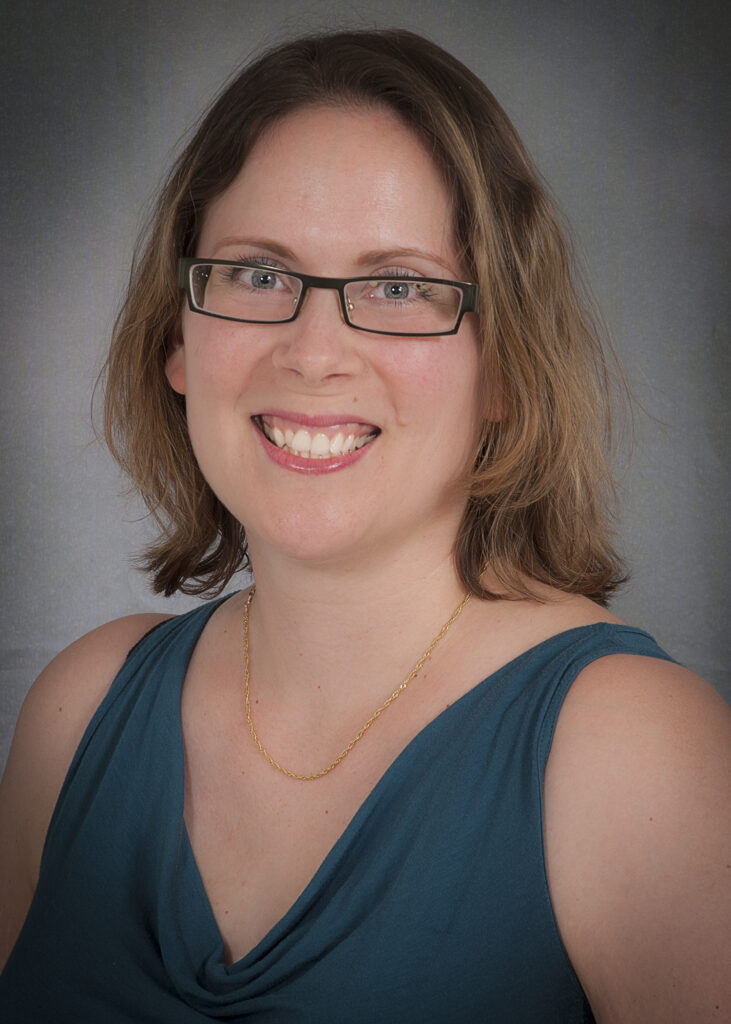
Melissa L. Rethlefsen, PhD, MSLS, AHIP, https://orcid.org/0000-0001-5322-9368, became Professor and Executive Director of the Health Sciences Library & Informatics Center at the University of New Mexico Health Sciences Center in 2021. Previously, she was Associate Dean, George A. Smathers Libraries, and Fackler Director, Health Science Center Libraries at the University of Florida. In that role, she also partnered with the Clinical & Translational Science Institute at the University of Florida to provide high quality systematic review services to researchers. Prior to that, she was at the University of Utah, where she was the Section Director of the Systematic Review Core in the Center for Clinical and Translational Science, Director of the National Network of Libraries of Medicine MidContinental Region, and Executive Director (Interim) of the Spencer S. Eccles Health Sciences Library. She has also worked at the Mayo Clinic’s Learning Resource Center, the Minnesota Department of Health’s RN Barr Library, and the University of Minnesota’s Bio-Medical Library.
Melissa conducts research in the reproducibility of systematic review search strategies and led the development of an extension to the PRISMA Statement devoted to search strategy reporting. As part of her interest in reproducibility, she led efforts to create a culture of reproducibility at the University of Utah and at the University of Florida. She chaired three Research Reproducibility conferences, including the most recent in 2020, Educating for Reproducibility: Pathways to Research Integrity. Melissa has been a Distinguished Member of the Academy of Health Information Professionals continuously since 2014. She has won multiple awards for her research. She also received the Estelle Brodman Academic Medical Librarian of the Year award in 2015 and the NINDS Rigor Champions award in 2024.
Academic Coordinator
Ana D. Cleveland, PhD, AHIP, FMLA, is a Regents Professor, Sarah Law Kennerly Endowed Professor, and Director of the Health Informatics Program at the University of North Texas. She is a recognized educator in medical librarianship and health informatics. Under her leadership, UNT’s Medical Librarianship/Health Informatics Program is ranked 7th in the nation by US News and World Report. Her research interests are in curriculum development, health information-seeking behavior of underserved populations, indexing of medical information, and health information and social media. She has received the highest awards given by the Medical Library Association, including the Lucretia W. McClure Excellence in Education Award, Janet Doe Lectureship, Marcia C. Noyes Award, and Fellow of the Medical Library Association. The South Central Chapter of the Medical Library Association recognized her contributions with the Distinguished Service Award, the Librarian of the Year, and several Elizabeth K. Eaton Research awards. In addition, Dr. Cleveland was honored with the President’s Award from the American Medical Informatics Association. She has an extensive list of publications, including two textbooks co-authored with Dr. Donald Cleveland, one on indexing and abstracting and the other on health informatics for medical librarians. She has served as a consultant to numerous national agencies, including the National Institutes of Health, the National Library of Medicine, and the Centers for Disease Control and Prevention. She worked with the National Library of Medicine and the Medical Library Association on developing the Disaster Information Specialization. She served as a consultant with international organizations in Latin America, the Caribbean, Europe, Australia, and Africa.
RTI Assessment Administrator
Jodi Philbrick, PhD, AHIP, is a principal lecturer at the College of Information, Department of Information Science, University of North Texas (UNT)–Denton. Philbrick teaches graduate-level courses in library and information sciences and health informatics at UNT. Philbrick’s research interests include emerging technologies and professional competencies in health sciences libraries, and she has conducted research, presented, and published in these areas. Philbrick and her collaborators have received multiple Elizabeth K. Eaton Research Awards from the South Central Chapter of MLA. Active in MLA, she served as the chair of Section Council and member of the Board of Directors from 2012–2017. She received the MLA President’s Award in 2017, 2018, and 2020 for her service to the association in various capacities. In addition, she is the 2021 recipient of the MLA Lucretia W. McClure Excellence in Education Award.
RTI Founding Director

Susan Lessick, MLS, MA, AHIP, FMLA, https://orcid.org/0000-0003-2504-4678, provides high-level oversight and guidance for the RTI program, focusing on collaboration and communication efforts. Lessick is a Distinguished Librarian Emerita at the University of California, Irvine (UCI), and served for nearly 30 years as Head of the Grunigen Medical Library, as well as holding other leadership roles. Active in MLA, she served as chair of the Research Imperative Task Force (RITF), the Research Section, and the Hospital Libraries Section, and as an Editorial Board Member and Virtual Projects Section Editor of the Journal of the Medical Library Association. Additionally, she is the Founding Director of the MLA Research Training Institute (RTI) and managed two IMLS grant projects that funded the RTI. Currently, she participates in the MLA Fellows Group, the MLA/RTI Value Studies Working Group, and the MLA/AAHSL Education Task Force. Lessick received the MLA President’s Award in 2017 for her work on the Task Force to Review MLA’s Competencies and in 2020 for her role in overseeing the Research Training Institute. In 2025, she was honored with the Marcia C. Noyes Award, MLA’s highest professional recognition. Lessick’s research interests include librarian-led research, research education, emerging technologies, and copyright, and she has an extensive record of presentations and publications that reflect these areas.
RTI ’25 Peer Coaches
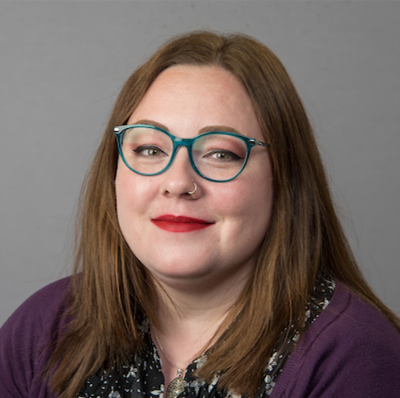
Emily Gilbert, https://orcid.org/0000-0001-9928-2105, is an assistant professor and liaison librarian in the Library of the Health Sciences at University of Illinois Chicago, where she works with students, trainees, and faculty in the College of Medicine. She is also a trustee at the Schaumburg Township District Library in Schaumburg, Illinois. Her research agenda focuses on systemic anti-fatness in libraries and information systems, and how to create an inclusive and accessible future for people in all bodies.
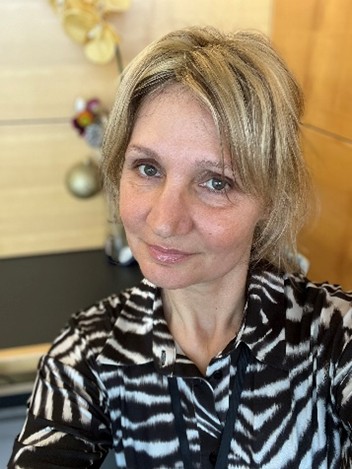
Alla Iansavitchene, MLIS, https://orcid.org/0000-0002-5651-1024, is a Clinical Librarian on the Academic & Research Operations team at the London Health Sciences Centre. She specializes in systematic reviews and advancing evidence-based practice. Her collaborative work with Team LHSC has led to numerous peer-reviewed publications, demonstrating her commitment to advancing scholarly knowledge. Driven by her passion for fostering strong relationships between libraries and donors, she pursued professional growth through the MLA’s RTI fellowship, received in 2025. Alla earned her Master of Library and Information Science (MLIS) degree from Western University, formerly known as the University of Western Ontario. Before joining the Clinical Research Library at London Health Sciences Centre (LHSC) in 2007, she completed internships at the Health Sciences Library at the University of Saskatchewan (USask) and the Chalmers Research Group, formerly known as the Thomas C. Chalmers Center for Systematic Reviews, at the CHEO Research Institute in Canada. Her subsequent guided research work on randomized controlled trials (RCTs) published as letters, published in 2008, addressed gaps in evidence synthesis methodology. The changes resulting from this research were incorporated into the Cochrane Handbook for Systematic Reviews in 2008 and updated 2022 versions and recognized in the PRISMA-S extension, published in 2021 and in a guide to information retrieval for Campbell systematic reviews in 2024.
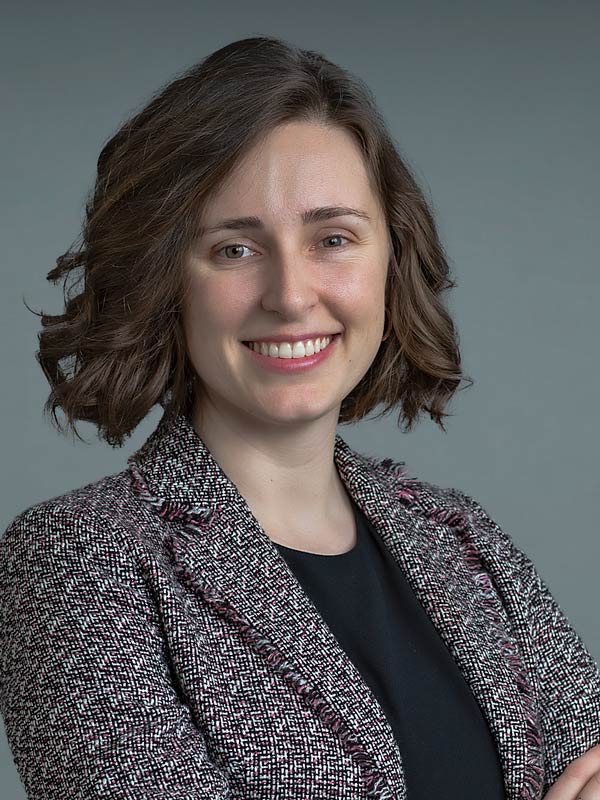
Juliana Magro, MLS, MA, https://orcid.org/0000-0002-9679-9501, is the Education and Research Librarian at the NYU Grossman School of Medicine. In this role, she designs and teaches evidence-based medicine (EBM) classes in the undergraduate medical education curriculum, in addition to providing education and research support to students, faculty, and staff. Juliana holds an MLS from Queens College (City University of New York) and an MA in linguistics from the Federal University of Rio de Janeiro. Juliana is a fellow of the 2024 MLA Research Training Institute and her research focused on EBM assessment.
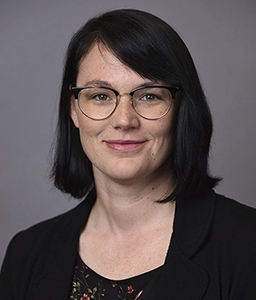
Laura Menard, MLS, RTIF https://orcid.org/0000-0001-7485-9190, is a health sciences librarian who completed the RTI program in 2020. A graduate of the University of North Carolina at Chapel Hill’s library science program, Laura has been involved with STEM librarianship since her first professional library job at the Environmental Protection Agency. She is passionate about LIS and health sciences research, with a focus on educational assessment. In 2022, the paper that resulted from Laura’s RTI project, “Integrating evidence-based medicine skills into a medical school curriculum: a quantitative outcomes assessment,” won the MLA Ida and George Eliot Prize for advancing medical librarianship. Currently a member of the clinical library team at the Cincinnati Children’s Hospital, Laura is eager to work with this year’s cohort of RTI fellows.

Mary Margaret Thomas, MLIS, https://orcid.org/0000-0003-2197-5440, is a Clinical Education Librarian at the University of Iowa’s Hardin Library for the Health Sciences in Iowa City, IA. She’s a liaison to the residents, fellows, and faculty within Pediatrics, Psychiatry, and the Brain Sciences. Mary is a Fellow of the 2021 MLA Research Training Institute which she attended while in library school. In her current role, Mary continues her research project, Mental Health First Aid (MHFA) in Libraries, by hosting MHFA trainings at UI Libraries and expanding its reach beyond
For questions regarding the institute, please contact Susan Lessick, AHIP, FMLA, Research Training Institute founding director.