

Library leadership succession planning safeguards the stability, direction, and institutional memory that keeps a library functioning effectively. Without a clear plan, retirements, resignations, or unexpected transitions can disrupt services, slow decision-making, and erode staff morale. Succession planning ensures that critical knowledge is preserved, emerging leaders are well-prepared, and strategic priorities continue uninterrupted. It transforms leadership changes from potential crises into opportunities for continuity, growth, and long-term organizational strength.
This workshop is designed for health sciences librarians at all career stages who are interested in leadership development and succession planning. Participants will explore the skills and competencies essential for leadership success, preparing themselves for prospective leadership roles, while ensuring organizational continuity. It will be particularly valuable for those currently in leadership roles, aspiring leaders, and others seeking to develop internal talent, foster professional growth, and ensure organizational sustainability while promoting equity and inclusivity in advancement.
Learning Outcomes
By the end of this webinar, participants will be able to:
- Analyze the core components and guiding principles of effective succession planning: why it matters, how to identify critical positions, and how to evaluate whether the organization is prepared for leadership change.
- Assess the risks associated with the absence of succession planning and reflect on the strengths and gaps in their institutions.
- Apply the provided templates and checklists to develop the preliminary steps of a succession planning process tailored to their library’s specific needs.
- Identify essential leadership competencies and skills that promote organizational resilience, sustainability, and continuity.
- Recognize strategies to integrate opportunity and collaboration into leadership development and succession planning.
Audience
Library directors/deans, middle management (supervisors/heads/team leads), emerging leaders, and other information professionals interested in moving into a leadership position or in leading from their current position.
Presenters:
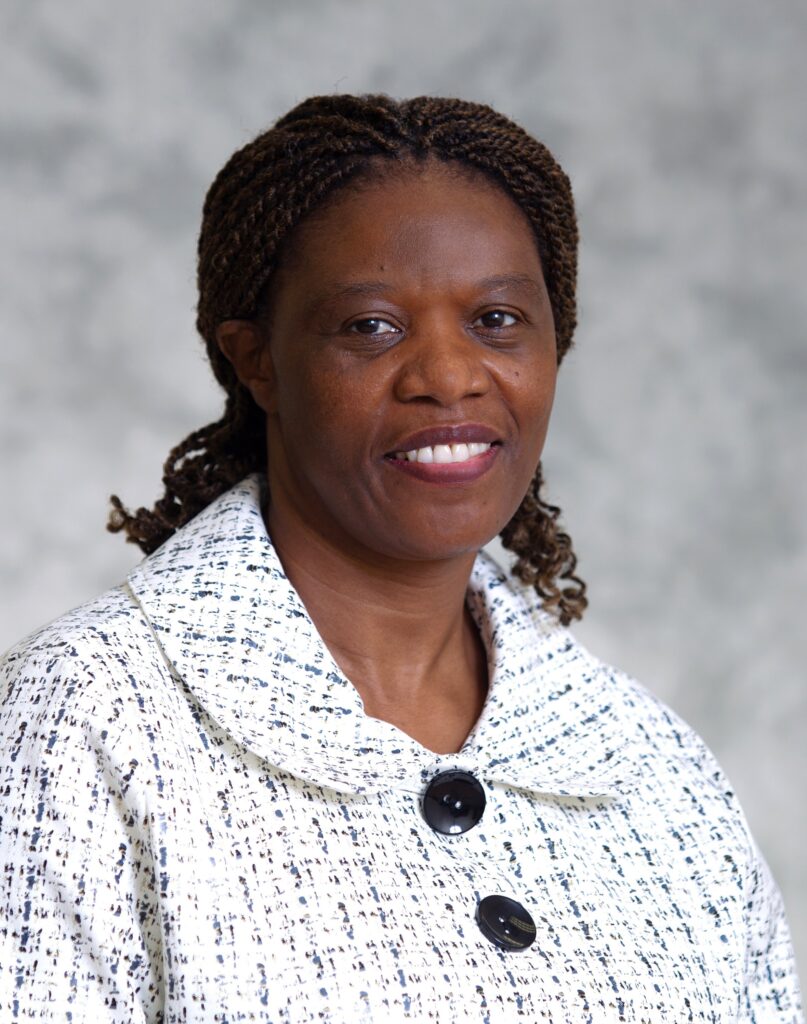
Maud Mundava, MLS, MBA, AHIP is the Assistant Professor, and Director, Mabee Library, MidAmerica Nazarene University. In the previous library leadership roles, Mundava has gained hands-on insight into change management, strategic planning, and marketing. She has presented on succession planning and 21st century academic library leadership, including facilitating panel sessions that explore leadership pipeline and organizational sustainability. She has enhanced her leadership expertise through participating in programs such as the Harvard Leadership Institute for Academic Libraries, ARL, ALA, and NLM/AAHSL Leadership Fellows. She has served as both mentor and mentee in leadership and development programs at the library. Most recently, she is a mentor in the Missouri Library Association, You Belong and ARL Kaidelscope Program., She holds an MLS, MBA, and a postgraduate diploma in organizational management. Her research interests include strategic planning, team development, workplace inclusiveness, and change management. These experiences collectively inform her approach to co-developing and delivering this course.

Elizabeth Hinton, EdD, MSIS, AHIP, is Director of the Rowland Medical Library at the University of Mississippi Medical Center and Associate Professor of Academic Information Services. She brings more than a decade of leadership and instructional experience in academic and library settings and has recently completed her Doctor of Education in Higher Education. Her dissertation, which examined succession planning practices within academic health sciences libraries, is a notable example of her scholarly contributions. Her combined research expertise and real-world leadership experience make her qualified to guide professionals through practical, evidence-based approaches to succession planning.

Course Includes
- 4 Lessons
- Course Certificate